>>

Tender hearts of palm seared until golden and finished with white wine, garlic and parsley — a quick, elegant vegan alternative to scallops.
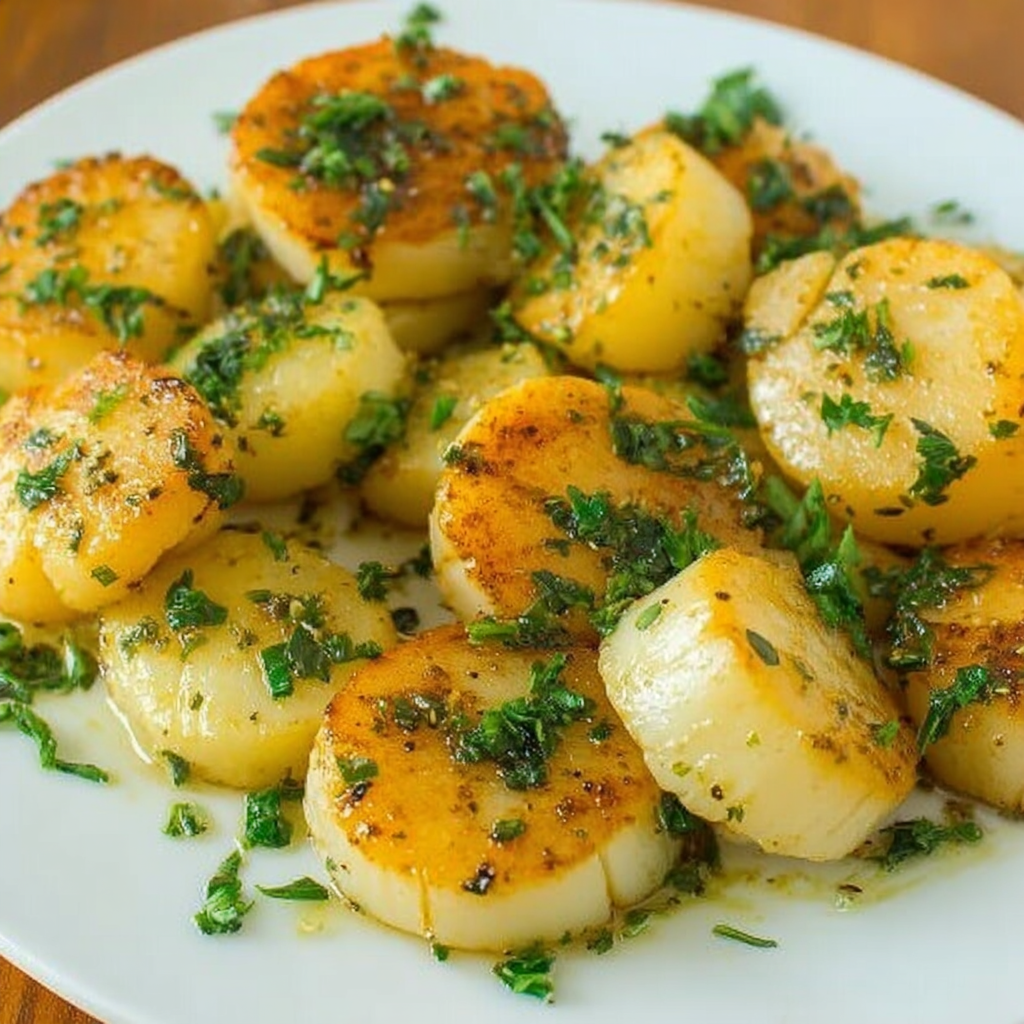
This recipe for vegan scallops — made from canned hearts of palm and seared in olive oil, white wine and minced garlic — became a weeknight favorite the first time I prepared it for guests who asked if the plate contained real shellfish. I discovered this combination while experimenting with pantry staples during a busy spring; the texture and mild sweetness of hearts of palm mirror the cadence of a delicate scallop without any seafood. What makes it special is the caramelized exterior that develops in a hot skillet and the bright lift the wine and parsley provide. It’s fast, elegant, and reliable for both casual dinners and small celebrations.
I almost always keep a few cans of hearts of palm in the pantry because they transform into so many things: ceviche-style salads, quick pastas, and, yes, seared scallops. The first time I served these, my partner declared them "restaurant-worthy," and our neighbors asked for the recipe the next day. The texture is tender but slightly resilient when sliced into half-inch rounds, and the flavor becomes rounded and savory when gently browned. If you’re looking for a speedy but refined plant-based option to surprise friends or add sophistication to a simple meal, these are it.
My family loved how the slices took on a subtle, savory crust while staying tender inside. Once I started adding just a teaspoon of dry vermouth or a splash of Sauvignon Blanc, the flavor rounded out beautifully. Guests often comment on the surprise factor — people expect a seafood taste but are delighted that the plant version stands on its own.
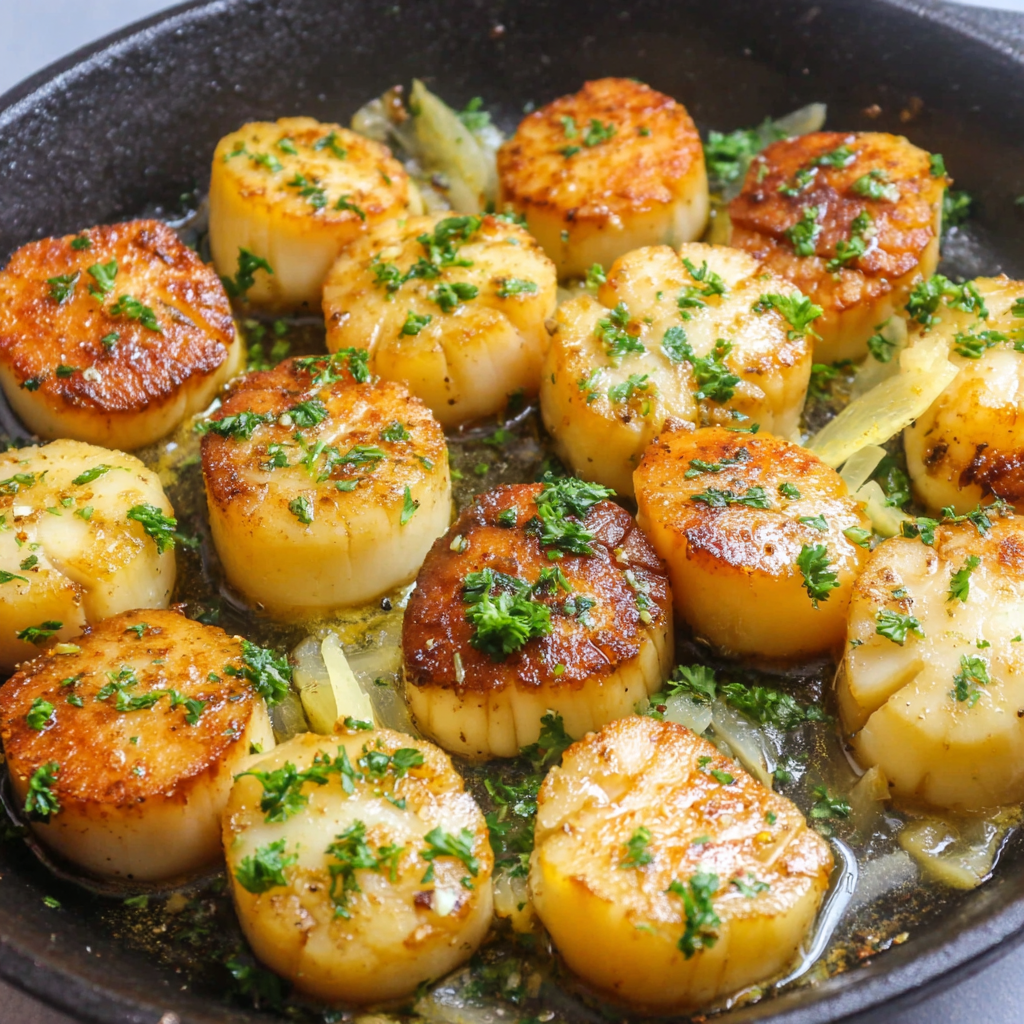
My favorite aspect of these vegan scallops is how adaptable they are. I’ve served them at a summer dinner party over lemon-herb pasta where guests admired the golden edges and at cozy winter suppers perched on a bed of warm rice pilaf. Neighbors who expected seafood were surprised and asked for the recipe — it’s a wonderful conversation-starter that proves plant-based cooking can be elegant and satisfying.
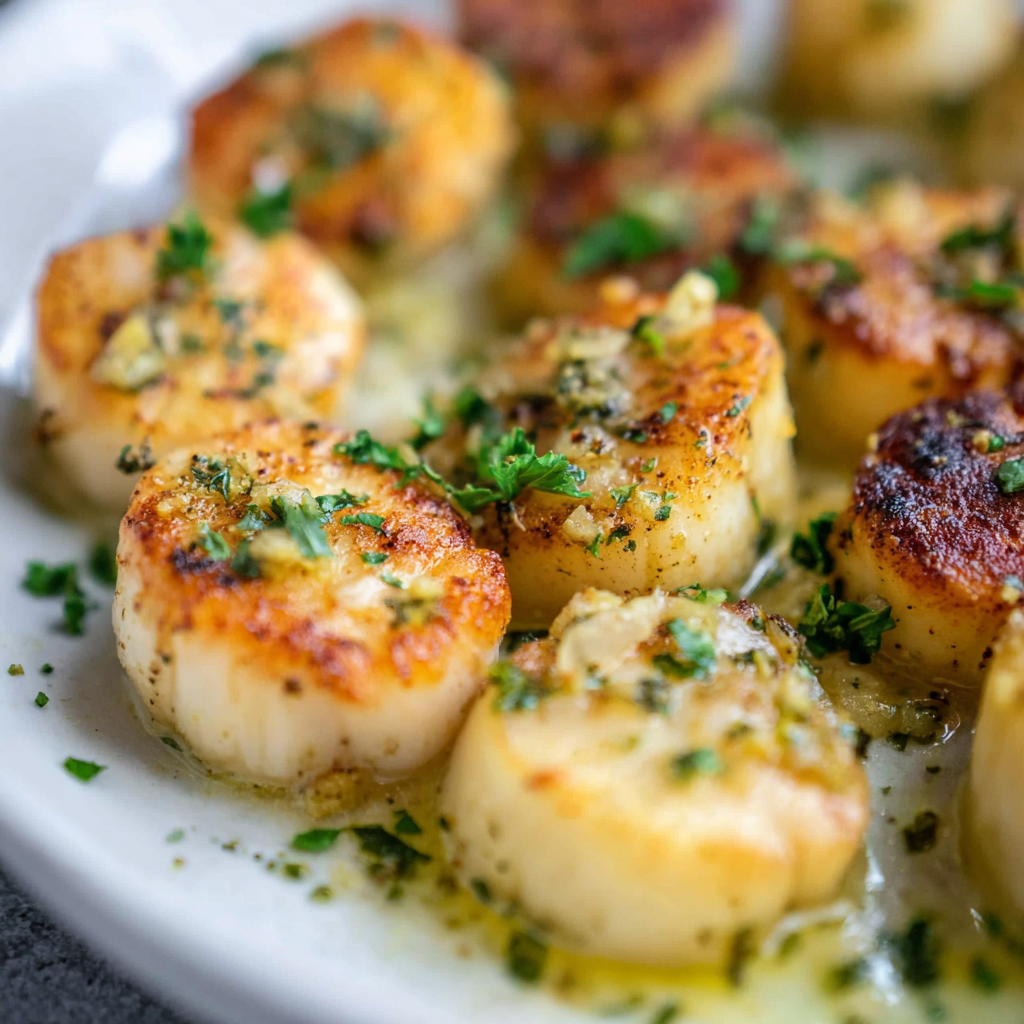
Store leftovers in an airtight container in the refrigerator for up to three days. For best texture, separate the scallops from any wet sides (sauces, dressings or moist rice) to prevent sogginess. Reheat gently in a nonstick skillet over low-medium heat with a teaspoon of oil or a splash of vegetable broth to re-crisp the edges — avoid microwaving because it softens the caramelized surface. You can freeze cooked slices for up to one month, but expect a slight loss in texture; thaw overnight in the fridge and reheat as described.
For an oil-free approach, use a neutral vegetable broth to sauté and build flavor with a touch more garlic and lemon at the end. If you don’t have canned hearts of palm, thick slices of king oyster mushroom can make an excellent alternative — slice into rounds and sear in the same way though mushrooms will release more moisture so cook a little longer. For an alcohol-free brightener, replace white wine with 1 teaspoon lemon juice plus 1 tablespoon vegetable broth. Omit Old Bay for a simpler profile; smoked paprika or a pinch of cayenne can add warmth instead.
These seared rounds pair beautifully with simple buttery-herb pasta (use vegan butter for a plant-based finish), a lemony rice pilaf, or roasted baby potatoes and seasonal vegetables. For an appetizer, serve two scallops per person on toasted baguette slices with a smear of garlic-infused olive oil. Garnish with a lemon wedge and extra parsley for color. For a composed main, add wilted spinach or a light pea purée to the plate to balance the richness of the seared edges.
Hearts of palm have been harvested in the Americas for centuries and are prized for their delicate, artichoke-like flavor and tender texture. While traditional scallops come from coastal seafood traditions, this adaptation honors the concept of a pan-seared, delicate protein with plant-based ingredients. Using hearts of palm as a seafood alternative showcases how plant foods can emulate textures and flavors in creative ways, bridging coastal culinary inspiration with contemporary plant-forward cooking.
In spring and summer, serve these with a bright pea purée, fresh asparagus and lemon zest for a light, seasonal plate. In autumn or winter, pair with a rich mushroom risotto or roasted root vegetables and a drizzle of herb oil to add warmth. For holiday gatherings, scale up the recipe and present them as an elegant starter atop small spoons or crostini with a caper and parsley garnish.
Slice and drain the hearts of palm ahead of time and store them dry in the refrigerator for up to 24 hours to speed assembly. Pre-chop garlic and parsley and measure the wine so the cooking process is quick: sear right before serving to preserve the browned edges. If preparing for lunches, portion with a cold grain salad and reheat gently in a skillet right before eating to refresh the texture.
These vegan scallops are an excellent example of quick, thoughtful cooking that marries pantry convenience and impressive presentation. Whether you’re feeding two or crafting a composed plate for guests, the simple technique and bright finish make this a go-to on my weekly menu. Serve with a crisp salad and a glass of the same dry white you used in the pan for a cohesive pairing — cheers to delicious plant-forward cooking!
Dry the hearts of palm thoroughly with paper towels to encourage browning; moisture causes steaming.
Use a hot skillet and don’t crowd the pan — give each piece space to develop a golden crust.
Finish with fresh parsley and a squeeze of lemon (if desired) to brighten the flavors just before serving.
For oil-free cooking, add a thin layer of vegetable broth and increase garlic slightly to boost flavor.
This nourishing vegan scallops (hearts of palm seared in white wine & garlic) recipe is sure to be a staple in your kitchen. Enjoy every moist, high protein slice — it is perfect for breakfast or as a wholesome snack any time.
Pat the hearts of palm very dry before searing; excess moisture prevents browning. For an oil-free version, sauté in a thin layer of vegetable broth and finish with lemon.
Yes — use lemon juice instead of white wine, or a tablespoon of dry vermouth for a similar depth. Non-alcoholic options work well.
Store in an airtight container in the fridge up to 3 days and reheat gently in a skillet with a splash of broth to revive the caramelized edges.
This Vegan Scallops (Hearts of Palm Seared in White Wine & Garlic) recipe makes perfectly juicy, tender, and flavorful steak every time! Serve with potatoes and a side salad for an unforgettable dinner in under 30 minutes.
Drain the 14-ounce can of hearts of palm and slice each stalk into 1/2-inch rounds. Pat the rounds dry on both sides with paper towels to remove surface moisture.
Warm a nonstick skillet over medium heat for 2–3 minutes. Add 1 tablespoon extra-virgin olive oil and heat until shimmering but not smoking to promote caramelization.
Place the hearts of palm rounds in a single layer without crowding. Season lightly with salt and optional Old Bay. Cook undisturbed for 2–3 minutes until the bottoms are golden, then flip.
After turning, add the minced garlic to the pan edge and pour in 1 tablespoon white wine or vermouth. Cook 1–2 more minutes until the wine reduces slightly and the rounds are heated through.
Remove from heat, finish with freshly ground black pepper and 1 tablespoon chopped parsley. Serve immediately over pasta, rice pilaf or roasted vegetables.
Last Step: Please leave a rating and comment letting us know how you liked this recipe! This helps our business to thrive and continue providing free, high-quality recipes for you.
Leave a comment & rating below or tag
@silksavor on social media!
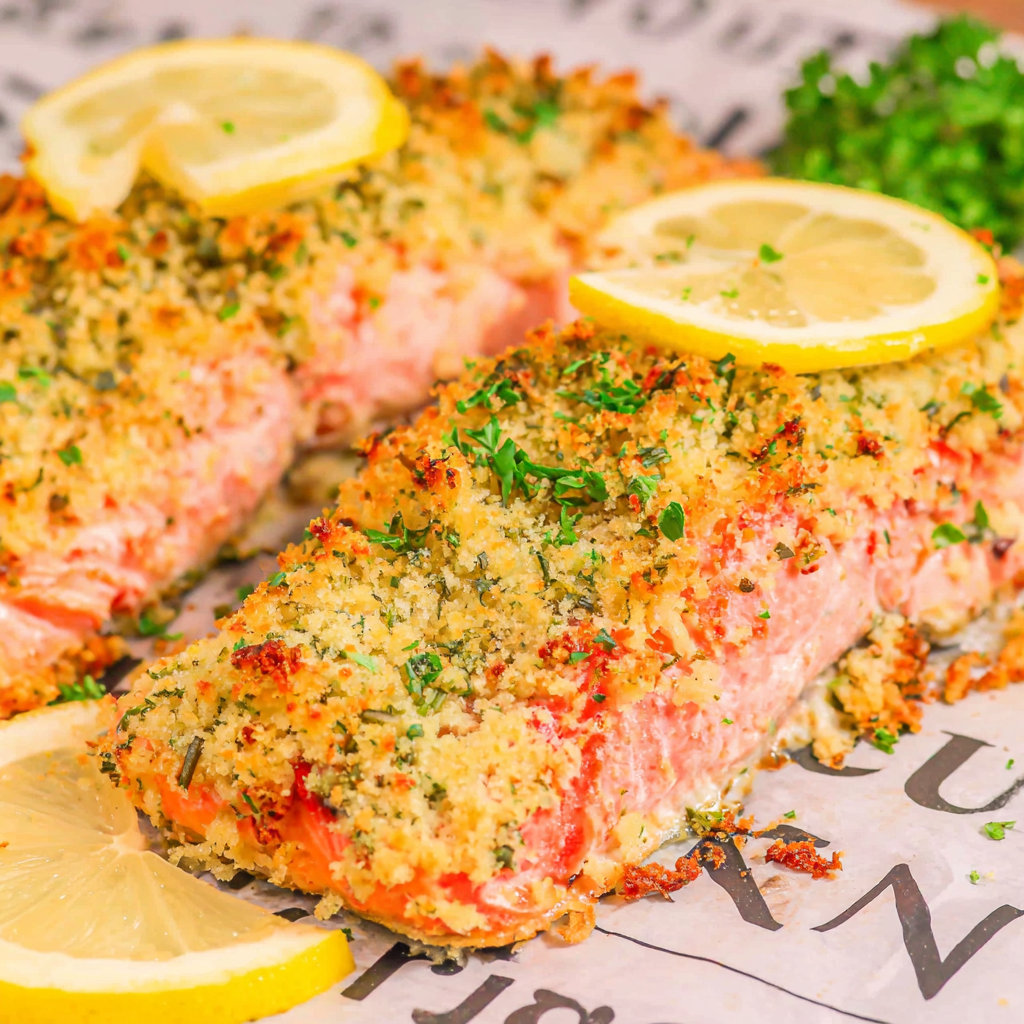
Tender baked salmon crowned with a garlicky Parmesan herb crust, bright lemon, and buttery crunch. Simple to make, stunning to serve, and irresistibly flavorful.
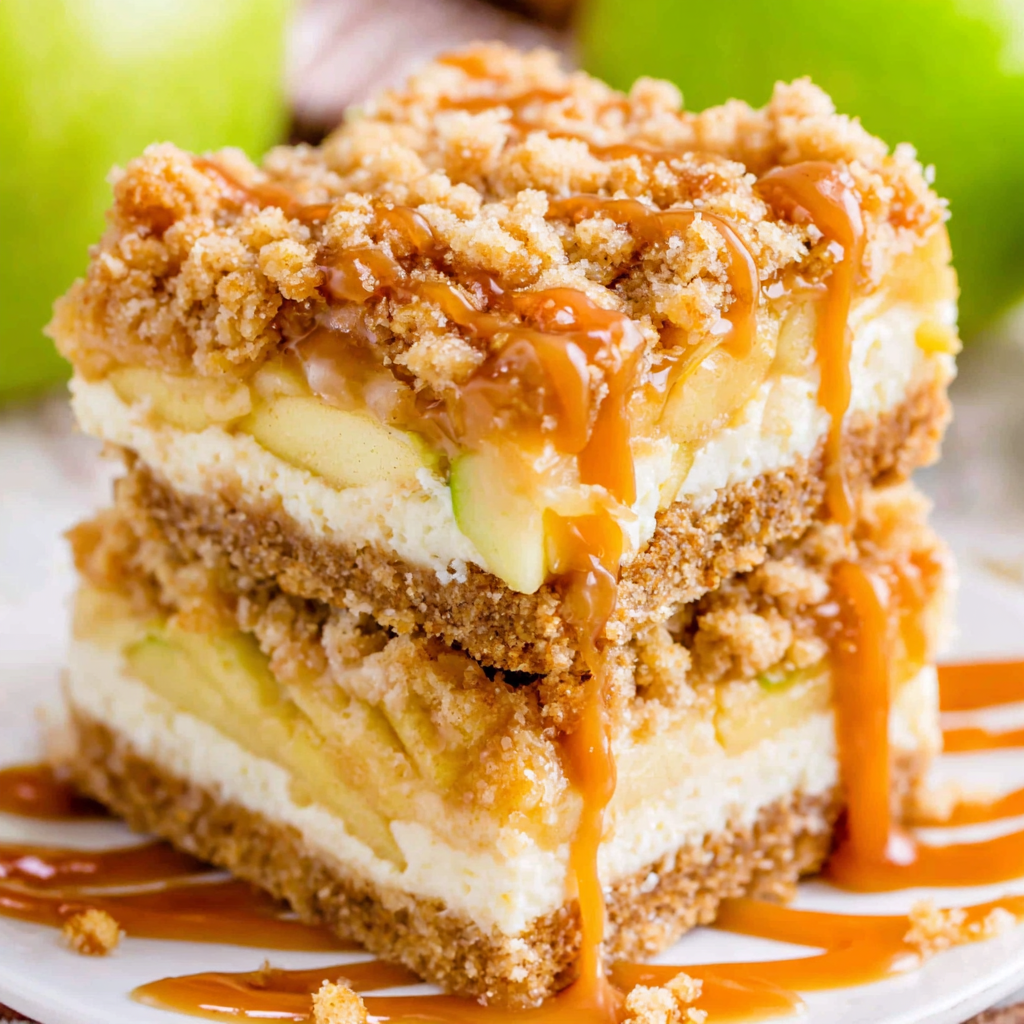
Buttery graham crust, silky cheesecake, and cinnamon-kissed apples under a crunchy crumb, finished with glossy caramel. A fall crowd-pleaser you will crave.
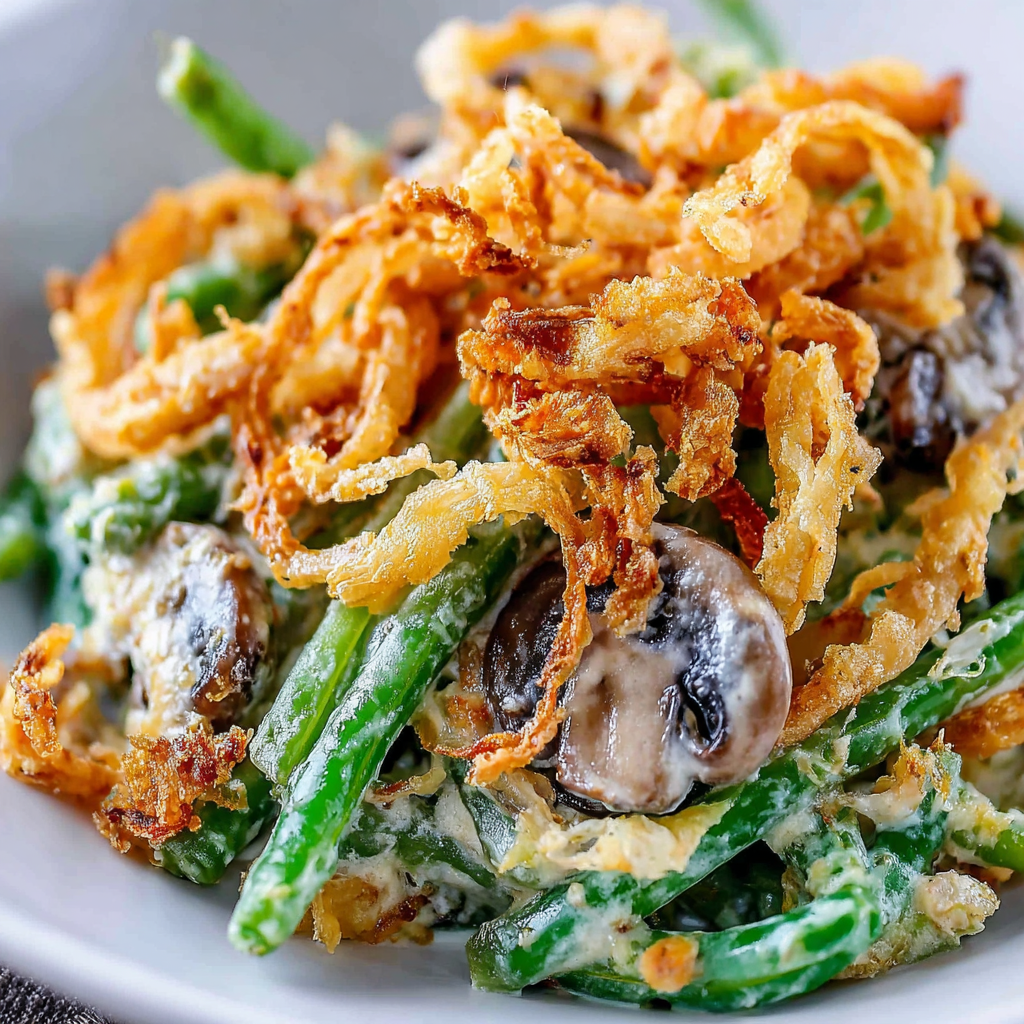
Tender green beans in silky mushroom cream, crowned with crispy onions. A comforting holiday side made entirely from scratch that always disappears fast.
Leave a comment & rating below or tag @silksavor on social media!
Enjoyed this recipe? Share it with friends and family, and don't forget to leave a review!
This recipe looks amazing! Can't wait to try it.
Comments are stored locally in your browser. Server comments are displayed alongside your local comments.

Join to receive our email series which contains a round-up of some of our quick and easy family favorite recipes.